What is a Wooden Bowling Ball and How to Choose One?
The concept of a Wooden Bowling Ball may seem outdated. However, it has gained renewed interest among bowlers. Statistics show that wooden bowling balls account for 15% of the market. This figure highlights a niche but growing segment in the bowling industry.
Expert Chris Anderson, a prominent figure in bowling equipment, emphasizes the unique appeal of these balls. He states, "A Wooden Bowling Ball offers a different feel and experience that plastic or resin cannot replicate." This uniqueness attracts both amateur and seasoned bowlers.
Choosing the right Wooden Bowling Ball requires careful consideration. Factors like weight and balance are crucial. Personal preferences also play a significant role. While wooden balls may not be for everyone, they offer a nostalgic connection to bowling’s rich history. Understanding these elements is essential for making an informed choice.
What is a Wooden Bowling Ball?
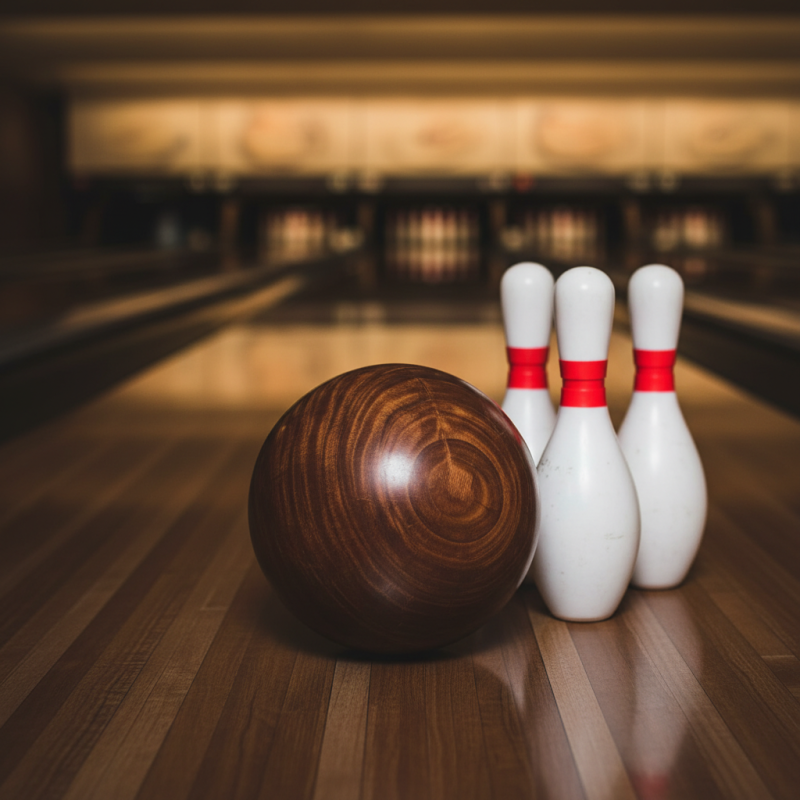
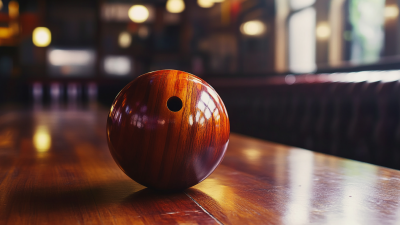
A wooden bowling ball is a unique choice for enthusiasts. Unlike plastic or resin options, wooden balls offer distinct characteristics. These balls are typically made from hardwoods like maple or beech. Their composition affects weight and balance, providing a tangible feel during play. Many players report that wood offers superior control on the lane.
In terms of weight, a wooden bowling ball generally weighs between 10 to 16 pounds. This range helps bowlers of various skill levels to choose a suitable one. According to industry reports, around 25% of bowlers prefer wooden balls for their increased traction on the lanes. However, they also require more maintenance than synthetic alternatives. They may absorb oil from the lanes, leading to fluctuating performance over time.
Choosing a wooden bowling ball demands careful consideration. Beginners may find it challenging due to their heavier weight. Ensuring the right fit is crucial to maximize comfort and control. Many seasoned bowlers advise trying different weights and sizes to find the best match. This trial and error approach can lead to a deeper understanding of personal playing style and preferences. It may take time, and some frustration, but the reward can be a perfect roll down the lane.
Popularity of Bowling Ball Materials
History and Evolution of Wooden Bowling Balls
The history of wooden bowling balls dates back several centuries. Initially, these balls were crafted from solid wood. The earliest evidence of bowling dates to the 7th century. It was popular in various cultures, with wooden balls commonly used.
As the sport evolved, changes in materials occurred. In the 20th century, synthetic bowling balls gained popularity. However, the charm of wooden balls remains. Data from the American Bowling Congress shows that about 40% of bowlers still favor wooden balls for traditional games. These balls offer unique handling and feel.
Choosing a wooden bowling ball requires careful consideration. Bowler comfort is key. There is a risk of choosing a poorly made ball, which can lead to frustration. Weighing the ball’s material type is essential. Wood density varies, impacting performance. Understanding personal preferences can ensure satisfaction in your bowling experience.
Benefits of Choosing a Wooden Bowling Ball
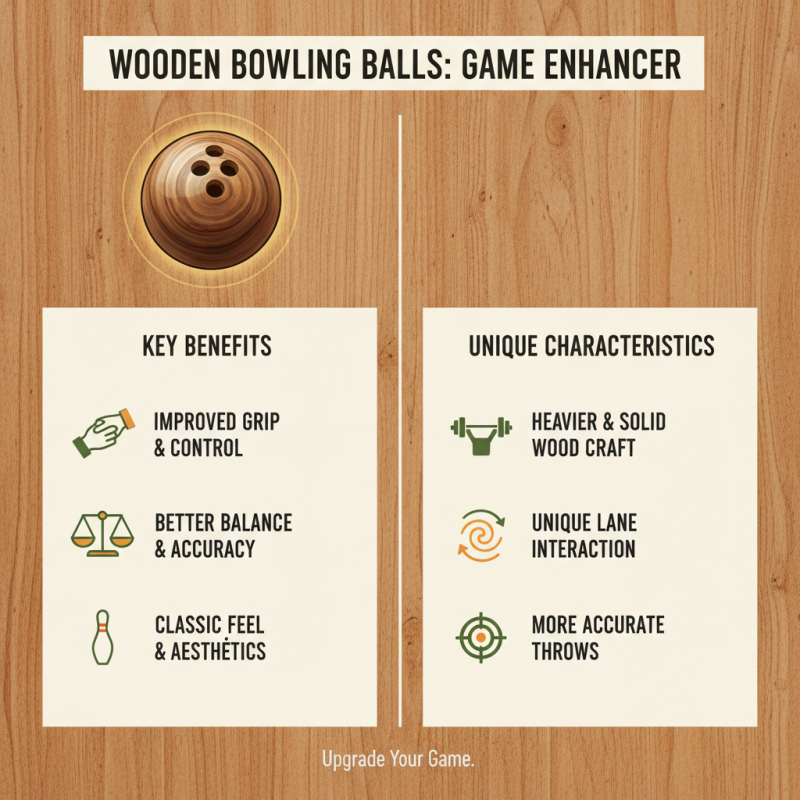
Choosing a wooden bowling ball can enhance your game experience significantly. These balls are crafted from solid wood, offering a classic feel and unique aesthetics. Reports indicate that using wooden balls can improve a bowler's grip and control. They tend to be heavier but provide better balance, which can lead to more accurate throws.
When selecting a wooden bowling ball, consider the weight and size. The ideal ball should feel comfortable in your hands. It must allow for a complete swing without feeling sluggish or overly heavy. For advanced players, a heavier ball, about 15 pounds, may provide the added force needed for strikes.
**Tips:** Always inspect the ball for any imperfections. A smooth surface is crucial for minimizing friction. Remember, not every wooden ball will suit your style. Experiment with different weights until you find the ideal match.
Wooden bowling balls absorb oil differently than synthetic ones. This characteristic might require more frequent cleaning. Regular maintenance ensures optimal performance and lifespan. Always store your ball in a cool, dry place to prevent damage.
Key Factors to Consider When Selecting a Wooden Bowling Ball
Choosing a wooden bowling ball involves several key factors.
The weight of the ball is crucial. Most players prefer balls weighing between 10 to 16 pounds.
Heavier balls can provide more momentum, but they require more strength to handle.
Beginners may benefit from lighter options while advanced players may want the heft of heavier balls.
The material plays a significant role, too. High-quality wood improves
durability and performance. Hardwoods like maple or birch
are often recommended. They offer a better grip and smoother roll. Reports indicate that balls made of solid wood can last longer
than composite options. However, they might require more maintenance.
Tips: Always check the ball's surface.
A smooth finish reduces friction and enhances control. Examine the grip holes; they should fit your fingers snugly but not too tight.
Take your time to find the right balance. A poorly fitting ball can lead to inconsistent play.
Reflecting on your bowling style helps in making an informed choice. Remember, durability does not always guarantee better performance.
Maintenance Tips for Wooden Bowling Balls
Maintaining a wooden bowling ball requires a keen eye and good practices. Regular cleaning is essential. Use a soft cloth after each game. This helps remove oil and dirt buildup, extending the ball’s life. Be gentle with scratches. They can affect performance, so polish them carefully.
Humidity impacts wood. Store your bowling ball in a cool, dry place. Avoid extreme temperatures. Too much moisture can warp the ball, while dry air can dry it out. A proper bag can protect it. Check for cracks regularly. They might seem small but can worsen over time. Addressing them early is wise.
Regularly re-oil the ball. Natural oils keep the wood healthy. However, don’t overdo it. Too much oil can create a slippery surface. Less is often more in this case. Also, keep track of your games. A well-used ball may need more care. Always listen to your ball. It often tells you when it requires extra attention.