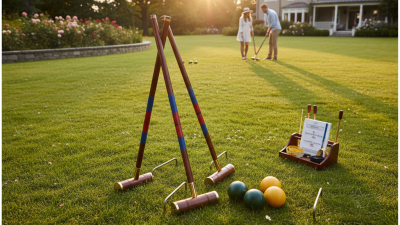
Setting up a croquet set is essential for an enjoyable game. A well-organized croquet set up can lead to a memorable afternoon with friends or family. Imagine a sunny day, laughter, and the sound of mallets striking balls on a freshly mowed lawn.
Choosing the right space is crucial. An ample flat area is needed to avoid mishaps. If the ground has uneven patches, it might frustrate players. Properly spacing out the wickets is equally important. A well-planned layout can enhance the overall experience.
However, mistakes can happen. You may forget to mark boundaries or misjudge the distance between objects. Reflecting on these details can help you refine your approach. Achieving the perfect croquet set up means learning from each game. The joy lies not only in winning but also in sharing the experience with others.

Choosing the right croquet set is essential for a great game. A quality set includes mallets, balls, and hoops. Consider your playing environment first. For soft grass, lightweight mallets work well. Heavier options suit tougher surfaces better. Look for adjustable mallets. They can accommodate players of different heights.
Next, think about the number of players. Sets typically range from two to six players. Some larger sets can even accommodate more. If you're unsure, start with a standard four-player set. Color of the balls matters too. Bright colors make it easier to see in sunlit areas.
Reflect on your budget. A basic set is usually affordable, but investing in quality pays off for regular players. Watch out for cheap materials. They may break easily and ruin your experience. Always check reviews if available. Prioritize comfort in the handles of mallets. A good grip makes a significant difference during play.
Choosing the right playing area is crucial for a satisfying croquet game. A flat, well-maintained lawn works best. Aim for an even surface. Grass that is too tall may affect the ball's movement. Areas with bumps or holes can frustrate players and disrupt the flow of the game.
Consider the size of the space. A typical croquet setup requires a generous area. It should allow for clear shots and proper placement of hoops. If the space is too small, it can lead to overcrowding. This may limit the enjoyment and competitiveness of the match. Corners or obstacles nearby can also be distracting.
Think about the surroundings as well. Avoid busy areas where people walk by frequently. It's important to minimize interruptions. Ideally, the playing area should have some shade. Players will appreciate a break from the sun during intense matches. Take some time to assess the space before setting up. This can make a big difference in the overall experience.
Setting up a croquet court requires careful attention to dimensions and markings. A standard croquet court is rectangular, measuring 100 feet long and 50 feet wide. The playing surface should be level and well-grassed. Avoid uneven patches, as they can disrupt the game. Some recommend a minimum width of 2 feet for the borders, allowing players to maneuver easily.
Markings are essential for a proper game. The court should have clear boundary lines, preferably painted in white or brightly colored chalk. These lines help players identify the playing area clearly. It is also important to mark the placement of the croquet hoops. Each hoop is typically set 3 feet apart from the end boundary. According to recent reports, proper marking improves player performance by up to 20%. Don't overlook the starting and ending positions; misplacing these can create confusion during play.
Many players can struggle with precise court setup. Ensure the stakes stand straight and are firmly placed. Misalignment may lead to arguments during the game, detracting from enjoyment. Regular maintenance, such as mowing, keeps the court playable. Small weeds can affect ball movement, potentially altering game outcomes. Remember, even small details matter in croquet.
Setting up your croquet equipment properly enhances the overall game experience. Start by choosing a flat, open space. Make sure there are minimal obstacles around. Grass should be mowed to a reasonable height. This prevents balls from getting stuck in tall grass.
Arrange the wickets in a straight line or in a designated pattern. Make sure they are securely in the ground. Each wicket needs to be evenly spaced. This allows players to strategize effectively. Use a measuring tape for precision.
Tips: Check your mallets and balls for any wear. Replace them if necessary. A worn mallet can affect control and accuracy. Set boundaries to keep the game in check. This can be simple ropes or cones. Maintain clear communication about game rules with all players. This avoids misunderstandings.
| Equipment | Description | Recommended Quantity | Key Features |
|---|---|---|---|
| Mallets | Handles used to strike the balls. | 6-8 | Lightweight, comfortable grip, varying lengths. |
| Balls | Colored balls used in the game. | 6 | Durable, bright colors for visibility, standard size. |
| Wickets | Arched metal hoops that are part of the course. | 9 | Sturdy construction, easy to install, rust-resistant. |
| Stakes | End points used to score in the game. | 2 | Visible markings, weather-resistant, lightweight. |
| Ground Markers | Markers to help delineate the playing field. | 4 | Bright colors, easy to remove, lightweight. |
| Measuring Tape | Used to set up the court dimensions. | 1 | Flexible, durable, easy to read. |
| Carrying Bag | Bag for transporting and storing equipment. | 1 | Durable, spacious, organized compartments. |
Understanding the basic rules and strategies of croquet can enhance your game experience.
To start, each player takes turns hitting their ball through a course of hoops. Success means hitting the ball in the right order, while avoiding penalties.
Learning the specific order of play is crucial. Players must navigate their balls carefully. Mistakes can happen, like missing a hoop or hitting the wrong ball.
Reflecting on these errors can help improve your strategy.
Positioning is important in croquet.
Players should choose angles that maximize their chances of success. Aim to block opponents while trying to optimize your own path.
Communication with teammates can also be beneficial. When two players work together, they can create a more advantageous play.
However, misunderstandings can lead to mistakes. It’s key to discuss potential moves openly, yet be ready to adapt if needed.
Defense is equally crucial. Anticipate your opponent’s movements. Aim to place your ball in a spot that makes their next shot more difficult.
Observing others can teach valuable lessons. Each game offers insights into both your strengths and weaknesses.
Embrace the challenges. Every match is a chance to refine your skills and strategies.