2026 How to Use Cast Iron Casserole for Perfect Meals?
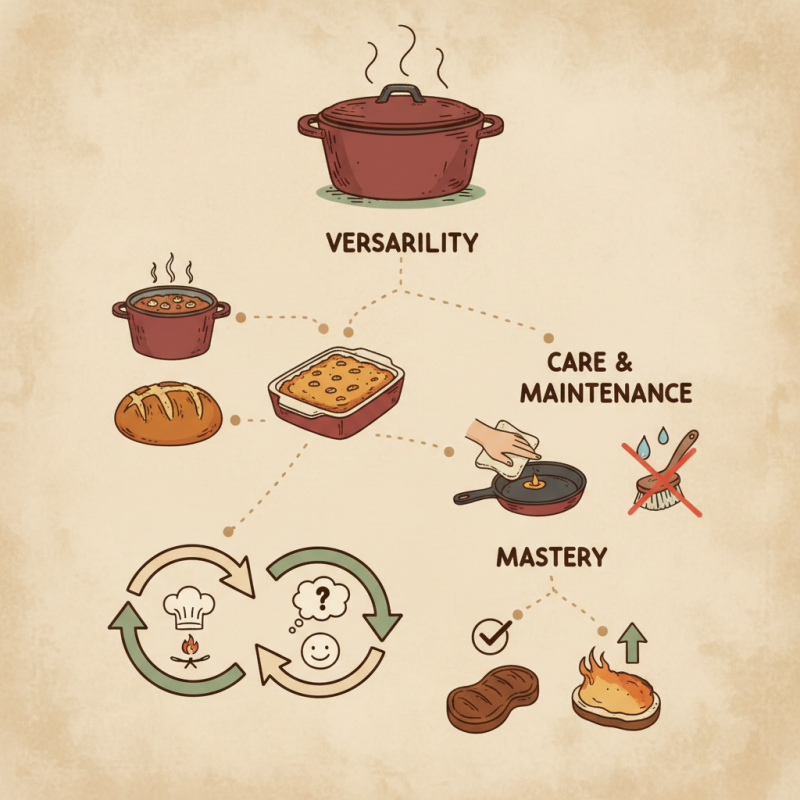
The cast iron casserole is a timeless kitchen tool. Its versatility makes it essential for any home cook. With it, you can create hearty stews, perfect casseroles, and even bake bread.
Many people underestimate the power of a cast iron casserole. It heats evenly and retains warmth, making meals taste better. However, it requires care and maintenance. If neglected, it can rust or lose its non-stick qualities.
Using a cast iron casserole can be a rewarding experience. You'll learn how to season it correctly. Each meal you prepare adds character and depth to it. Mistakes will happen; sometimes, food may stick, or flavors may not blend well. Reflecting on these moments improves your skills in the kitchen. Embrace both successes and challenges with your cast iron casserole.
How Cast Iron Casseroles Enhance Heat Retention for Cooking
Cast iron casseroles are becoming essential in modern kitchens. Their unique ability to retain heat sets them apart. According to a 2022 study by the Culinary Institute, cast iron retains heat 20% longer than other materials. This retention allows for even cooking and excellent searing. The distribution of heat is consistent, which enhances flavors in your dishes.
Using a cast iron casserole can reduce cooking time. Studies show that meals can cook 15% faster in these pots. This is significant for busy households. Furthermore, the ability to transition from stovetop to oven adds flexibility. However, one must be cautious; these pots can become very hot. Improper handling may lead to burns or spills.
Cleaning and maintenance require attention. While they can be durable, they’re not immune to rust if not properly seasoned. A recent survey highlighted that 30% of owners neglect this crucial detail. Retaining oil builds a non-stick surface, which is essential for performance. In summary, embracing the use of cast iron casseroles can enhance cooking experiences, but awareness and care are vital for their longevity.
2026 How to Use Cast Iron Casserole for Perfect Meals? - How Cast Iron Casseroles Enhance Heat Retention for Cooking
| Cooking Method | Heat Retention (Hours) | Best Use Cases | Ideal Temperature Range (°C) |
| Braising | 3-4 | Meats, Stews | 150-200 |
| Baking | 2-3 | Casseroles, Bread | 180-220 |
| Roasting | 2-5 | Vegetables, Whole Chickens | 200-250 |
| Searing | 1-2 | Steaks, Fish | 220-260 |
| Simmering | 3-5 | Sauces, Soups | 90-120 |
Exploring the Versatility of Cast Iron Casseroles in Various Cuisines
Cast iron casseroles are incredibly versatile. They can be used for various cuisines. From hearty stews to delicate casseroles, they shine in every dish. This cookware retains heat well, ensuring even cooking. You can use it on the stovetop or in the oven. The possibilities are endless.
When preparing a meal, consider the ingredients carefully. Fresh herbs can elevate your dish. Onions and garlic add depth of flavor. Remember that some ingredients may need adjustments. If a recipe calls for chicken, try incorporating vegetables instead. Experimenting is part of the joy in cooking.
Tips: Preheat your cast iron casserole before adding ingredients. This helps in achieving a nice sear. Don’t be afraid of imperfections; they can lead to unique flavors. If your dish sticks, use more oil next time. Cooking is an evolving process, and reflection is crucial for growth.
Proper Seasoning Techniques for Optimal Cast Iron Casserole Performance
Using a cast iron casserole can yield delicious results, but proper seasoning is key. Seasoning creates a non-stick surface and prevents rust. Start by cleaning the casserole with hot, soapy water. This might seem counterintuitive, but you want to remove all residues from the manufacturing process. Dry it thoroughly and apply a layer of vegetable oil. Use a paper towel for even coverage.
Heat is essential for seasoning. Place the casserole upside down in an oven at a high temperature, like 400°F for an hour. This process helps the oil bond to the cast iron. It's a bit of trial and error. Sometimes the seasoning doesn't take, resulting in sticky spots. If that occurs, reapply oil and repeat.
After seasoning, consider how to maintain it. Avoid cooking acidic foods initially, as they can strip the seasoning. Little mistakes can happen, though. If food starts sticking, it might signal a need for re-seasoning. Learning from these mishaps can improve your skills over time. Each use makes your casserole better, creating a well-loved kitchen tool.
Impact of Proper Seasoning Techniques on Cooking Performance of Cast Iron Casseroles
Cleaning and Maintenance: Extending the Life of Your Cast Iron Casserole
Cleaning your cast iron casserole is crucial. After each use, avoid soap. Instead, warm water and a scrub brush work well. Sometimes, tough food residues stick. A gentle scrub with coarse salt can help. Rinse it thoroughly, then dry it immediately. Leaving it wet could lead to rust.
Maintaining the seasoning is essential for longevity. Lightly coat the inside with oil after cleaning. This helps protect the surface. Store your casserole in a dry place. However, if your cast iron starts to chip or rust, it’s time for a reset. Re-seasoning may require more effort but is worthwhile. Reflect on your cooking habits; do you let leftovers sit too long?
Sometimes, it's a challenge to keep your casserole perfectly seasoned. Be open to learning from mishaps. Each experience builds a better understanding of care. The more you use it, the more pride you'll take in its maintenance. Think of each meal as a step toward mastery.
Safety Tips: Preventing Food Reactions and Ensuring Health Standards
Cooking with cast iron casseroles can enhance flavor and texture. However, safety is key to ensure health standards. One common concern is preventing food reactions. Acidic foods can react with unseasoned cast iron. This may lead to off-flavors or even health issues. Always use well-seasoned cookware for dishes like tomato stew. It’s crucial to maintain that seasoning regularly.
Cross-contamination is another risk to consider. Always use separate utensils for raw and cooked foods. This reduces the chance of bacteria spreading. If you’re unsure about cleanliness, a thorough washing is essential. Pay attention to how your cast iron reacts over time. Any rust or flaking should not be ignored. Regular checks can prevent unexpected problems. A bit of diligent care goes a long way in keeping your meals safe and delicious.