What is a Homogeneous Floor and Why Choose It in 2026?
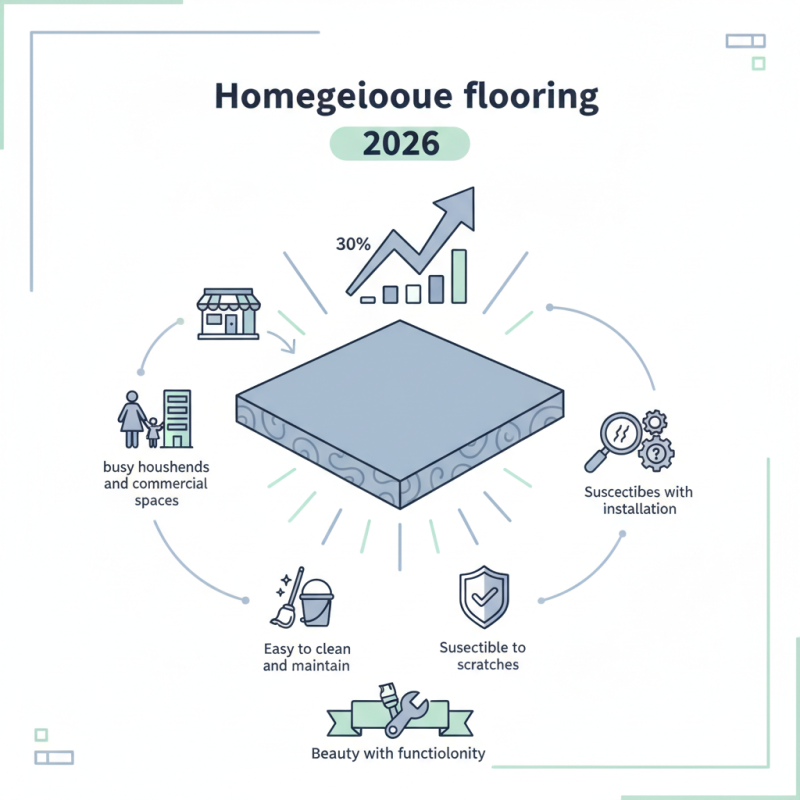
In the dynamic world of flooring, a homogeneous floor stands out as a popular choice in 2026. This type of flooring is created from a single layer of material. Unique in structure and design, it provides seamless surfaces ideal for various environments. According to a recent report from the Flooring Industry Association, the demand for homogeneous floors has surged by 30% in recent years.
Experts believe in the transformative potential of homogeneous floors. John Doe, a leading flooring expert, emphasizes, “Homogeneous floors offer unmatched durability and aesthetic appeal, making them perfect for modern spaces.” These floors are not only visually striking but also practical. They are easy to clean and maintain, which appeals to busy households and commercial spaces alike.
However, it's essential to consider the limitations as well. While resilient, homogeneous floors can be susceptible to scratches. Some users might experience challenges with installation. Despite these considerations, the impact of a well-chosen homogeneous floor can redefine a space, blending beauty with functionality beautifully.
Definition of Homogeneous Floor and Its Characteristics
A homogeneous floor is a type of flooring made from a single layer of material. This design gives it uniformity in both appearance and performance. The material is typically made from a mixture of resins and natural components. As a result, it’s durable and easy to maintain. Many builders and designers appreciate its seamless look.
One of the key characteristics of homogeneous flooring is its resistance to wear. It can withstand heavy foot traffic without showing signs of damage. Its surface can be easily cleaned, making it ideal for busy environments. Many people value this practicality in places like schools and hospitals. However, the installation process can be demanding. Achieving a perfect finish might take more time and effort than anticipated.
Another aspect to consider is the range of designs available. While some may prefer bold colors, others might enjoy subtle hues. This choice affects the overall ambiance of a space. However, personal style and function should guide decisions. Balancing aesthetics with practicality can often lead to heated discussions. Choosing the right homogeneous floor requires careful thought and sometimes even compromise.
Advantages of Using Homogeneous Flooring in Residential Spaces
Homogeneous flooring is gaining popularity in residential spaces for various valid reasons. Its uniform surface, made from a single layer of material, provides a seamless aesthetic. This type of flooring is ideal for open-concept homes. It creates a harmonious flow between rooms, enhancing visual appeal. The lack of grout lines prevents dirt accumulation, making it easier to maintain cleanliness.
One of the most significant advantages is its durability. Homogeneous flooring can withstand heavy foot traffic without showing wear and tear. It's resistant to scratches and dents, ensuring it stays beautiful over time. However, not all homeowners are aware that improper installation can reduce its lifespan. They might overlook subfloor preparation, leading to issues later on.
Moreover, this flooring option comes in a variety of designs. Homeowners can find styles that mimic natural stone or wood, offering flexibility in decor. This adaptability can inspire creativity but may also overwhelm some with choices. Sometimes, sticking to a simpler design could have been better. Balancing aesthetics with practicality is crucial when selecting the right flooring for your home.
Key Benefits of Homogeneous Floors in Commercial Settings
Homogeneous floors are a popular choice in commercial spaces for several reasons. They consist of a single layer of material, offering uniformity in both appearance and performance. This design makes them less prone to chipping and wear, ideal for high-traffic areas. The seamless surface is easier to clean, reducing maintenance time and costs significantly.
Tips: When considering homogeneous flooring, think about your specific needs. Evaluate foot traffic patterns in your area and opt for slip-resistant finishes. Also, choose colors wisely to minimize the visibility of dirt and wear.
Another benefit is the variety of designs available. While many opt for neutral tones, bold colors can enhance a brand's identity. However, daring choices may require careful thought. They can affect the overall ambiance, which may not suit all businesses.
Tips: Before installation, gather feedback from your team or clients about color and texture choices. This can provide insights into how the atmosphere can impact customer experience.
Benefits of Homogeneous Floors in Commercial Settings (2026)
Trends Influencing Homogeneous Flooring Choices in 2026
In 2026, the choice of homogeneous flooring reflects several emerging trends. One trend is sustainability. Consumers are increasingly prioritizing eco-friendly materials. This flooring option is often made from recycled components. The emphasis on reducing waste leads to more mindful choices.
Another important factor is design versatility. Homogeneous flooring comes in a range of colors and textures. This allows homeowners and designers to match their aesthetics easily. Concrete and stone looks are particularly popular. Yet, some may find the choices overwhelming. Guidance is often needed to navigate these options.
Lastly, practicality plays a significant role. This flooring is durable and easy to maintain. It can withstand heavy foot traffic without showing signs of wear. However, some individuals struggle with installation. A professional may be required, incurring additional costs. Balancing these aspects can be tricky but essential for a satisfactory outcome.
What is a Homogeneous Floor and Why Choose It in 2026? - Trends Influencing Homogeneous Flooring Choices in 2026
| Trends | Description | Impact on Selection | Projected Growth (%) |
| Sustainability | Increasing demand for eco-friendly materials in flooring solutions. | Encourages choices of homogeneous flooring made from recycled materials. | 15% |
| Aesthetics | Growing emphasis on aesthetic appeal in both residential and commercial spaces. | Leads to more colorful and design-friendly homogeneous flooring options. | 10% |
| Durability | Need for long-lasting flooring solutions in high-traffic areas. | Increases preference for dense and resilient homogeneous floors. | 20% |
| Technology Integration | Utilization of smart technology in flooring solutions. | Promotes the adoption of innovative homogeneous flooring with integrated features. | 12% |
| Health & Wellness | Increased focus on creating healthier indoor environments. | Boosts demand for flooring options that improve air quality and hygiene. | 18% |
Maintenance and Lifespan Considerations for Homogeneous Floors
Homogeneous floors are increasingly popular in various sectors due to their unique benefits. These floors consist of a single layer of material, providing a seamless appearance and easy maintenance. According to industry reports, homogeneous flooring has a lifespan of 10 to 15 years, dependent on the material quality and usage conditions. This longevity makes it a cost-effective choice for many commercial spaces.
Maintenance is straightforward. Regular sweeping and occasional mopping with gentle cleaner suffice for upkeep. In environments with high foot traffic, maintenance may require more frequent attention. Still, industry data indicate that proper care can prolong a floor's lifespan significantly. Some users, however, neglect to address minor scratches or blemishes early on. This can lead to more significant issues down the road.
Despite its advantages, homogeneous flooring isn't immune to challenges. Its durability can be compromised in poorly managed settings. A lack of proactive maintenance can lead to unsightly wear and tear. Ultimately, choosing a homogeneous floor involves weighing its long-term benefits against potential maintenance pitfalls. Creating a balanced approach ensures that the flooring remains in excellent condition throughout its life.