How to Choose the Right Croquet Ball for Your Game?
Choosing the right Croquet Ball is crucial for your game. It affects performance and enjoyment. Expert John Cartwright once said, "A well-chosen Croquet Ball can make or break your experience." His insights guide many players in the field.
Different players have unique preferences. Some favor softer balls for better control, while others lean towards harder options for distance. The color and design can also impact visibility on the lawn. Paying attention to these aspects can enhance your gameplay.
Often, players overlook important details. They choose based solely on color or brand. This can lead to frustration during matches. It’s essential to test various options. Find what truly feels right in your hands. Explore the range of choices available to make an informed decision.
Understanding Croquet Ball Types and Their Uses
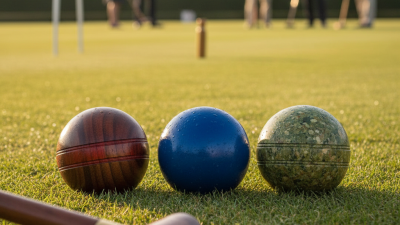
Choosing the right croquet ball is crucial for an enjoyable game. There are several types of croquet balls, each designed for specific gameplay styles. The most common types include nylon, wood, and composite balls. Nylon balls are lightweight and great for beginners. They offer a softer impact, making them ideal for casual games. Wood balls provide a classic feel and durability, but they can be heavier to control.
Composite balls are a blend of materials, providing a balanced experience. They often have a good grip and are suitable for tournament play. According to a report by the World Croquet Federation, many players prefer composite balls for competitive matches due to their consistent performance across various surfaces.
Tip: Consider the playing environment. If you're playing on a grass court, a heavier ball can enhance stability. Light balls may roll more easily on softer surfaces.
Understanding the material strength is essential. Not all balls withstand intense gameplay. A common mistake is assuming that all balls perform the same. Testing a few types before a big game can save you frustration.
Tip: Always check for wear and tear. A damaged ball won’t roll straight. This can significantly affect your game. Choose wisely to enhance your playing experience.
How to Choose the Right Croquet Ball for Your Game? - Understanding Croquet Ball Types and Their Uses
| Ball Type |
Weight (grams) |
Diameter (mm) |
Suitable Players |
Use Case |
| Standard Croquet Ball |
450 |
110 |
Beginners & Amateurs |
Casual games |
| Tournament Ball |
450 |
110 |
Advanced Players |
Competitive play |
| Lightweight Ball |
400 |
108 |
Youth Players |
Learning and development |
| Heavyweight Ball |
500 |
110 |
Experienced Players |
Precision games |
Evaluating Croquet Ball Material and Construction Quality
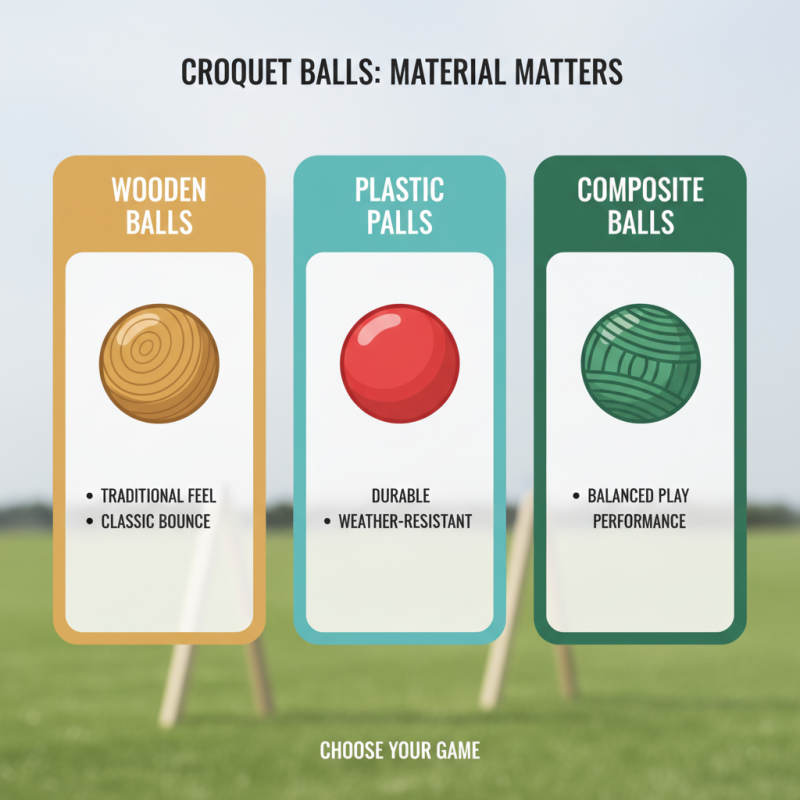
When selecting a croquet ball, the material and construction quality greatly influence performance. Croquet balls typically come in different materials like plastic, wood, or composite. Each type offers unique benefits and drawbacks. For example, wooden balls provide a traditional feel, while plastic ones tend to be more durable and weather-resistant.
**Tip:** Always consider the environment where you'll play. If it's on grass, wooden balls might give you better control. However, if playing on uneven surfaces, plastic balls could perform better.
Quality matters too. A well-constructed ball is balanced and has consistent weight. Poor-quality balls might wobble during play, leading to frustration. Check for smooth finishes and no visible imperfections. Sometimes, the color finish can even impact visibility on the field.
**Tip:** Look for balls with a textured surface. They can offer better grip for striking.
Keep in mind that personal preference plays a role. Some players prefer a heavier ball for power, while others find lighter ones easier to maneuver. Try different options to see what feels right. It’s okay to reflect on your choices and adjust based on your experience.
Considering Size and Weight for Optimal Performance
Choosing the right croquet ball can significantly affect your game. Size and weight are crucial factors to consider. A standard croquet ball typically weighs around 16 ounces. However, you might find lighter balls appealing, especially if you are a beginner. Heavier balls provide more momentum but can be difficult to control for less experienced players.
When selecting a ball, think about your playing style. If you prefer a more aggressive approach, a heavier ball might be better. But if you enjoy delicate shots, a lighter option is likely more suitable. Keep in mind that the size of the ball impacts its maneuverability. A larger ball may be easier to hit but could feel unwieldy during tight turns.
Experimenting with different sizes and weights can lead to valuable insights. You might realize that what feels comfortable initially doesn't perform well during a match. Reflecting on your choices is important. Take note of how different balls handle in various conditions. This analysis can help refine your game strategy and enhance your overall experience on the field.
Matching Croquet Ball Color and Design to Your Playing Style
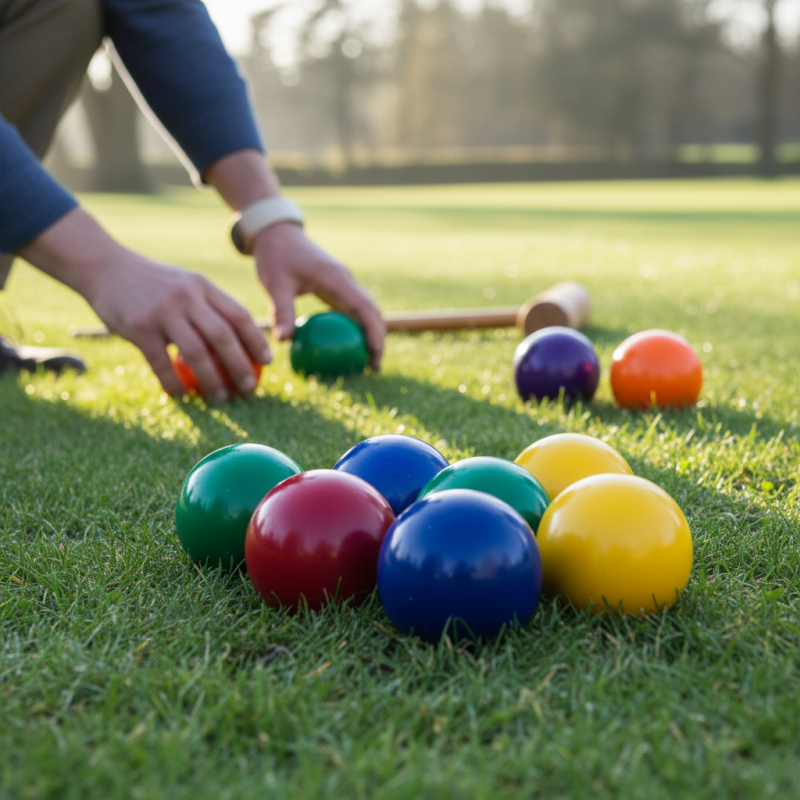
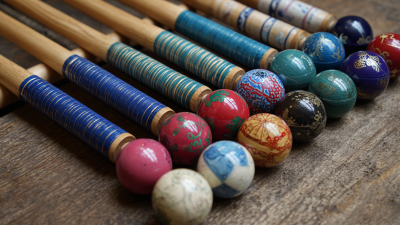
Choosing the right croquet ball is essential for your game. The color and design of the ball can significantly impact your playing style. According to a study by the Croquet Association, players often perform better when they feel visually connected to their equipment. The color of the ball can affect your focus and mood. Bright colors can boost energy, while softer hues may promote calmness.
When selecting a ball, consider your personal preferences. If you value precision, opt for solid colors that improve visibility. For a more relaxed game, multicolored designs can add fun without distraction. Statistics show that around 70% of players choose design over color when picking their croquet balls. Reflect on how you feel about each design, as it influences your gameplay.
Tips: Test various balls during practice sessions. Notice how each color affects your concentration and confidence. Also, pay attention to the ball's surface texture. Some players prefer smooth surfaces for consistent rolls, while others enjoy textured ones for better grip. Evaluate your choices based on performance. Aesthetics matter, but performance is key. What works for one player may not suit another. Keep experimenting to find your perfect match.
Tips for Testing and Choosing the Right Croquet Ball for You
Selecting the right croquet ball can significantly impact your game. Many players overlook this crucial aspect. A study by the Croquet Association revealed that nearly 45% of beginners choose balls that don’t suit their playing style, affecting performance.
When testing croquet balls, consider weight and size. Regulation balls weigh between 16 to 20 ounces. It's essential to find a comfortable fit in your hand. If a ball feels too heavy, it may hinder your swings. Conversely, a lightweight ball can provide less control. Many local clubs recommend trying different weights before settling on a preference.
The material is another vital factor. Most croquet balls are made of plastic or rubber. Plastic balls tend to offer a firmer feel. On the other hand, rubber balls provide a softer touch and enhance grip. Reflecting on your playstyle may require experimentation. Some players find slippery surfaces challenge them, leading to a lesser choice of material. A choice that seems easy could affect your entire game. Make intentional decisions; your skills and enjoyment are worth it.
How to Choose the Right Croquet Ball for Your Game?
When selecting a croquet ball, it's crucial to consider weight, material, and diameter. The following chart illustrates the average weights of different types of croquet balls commonly used in games: