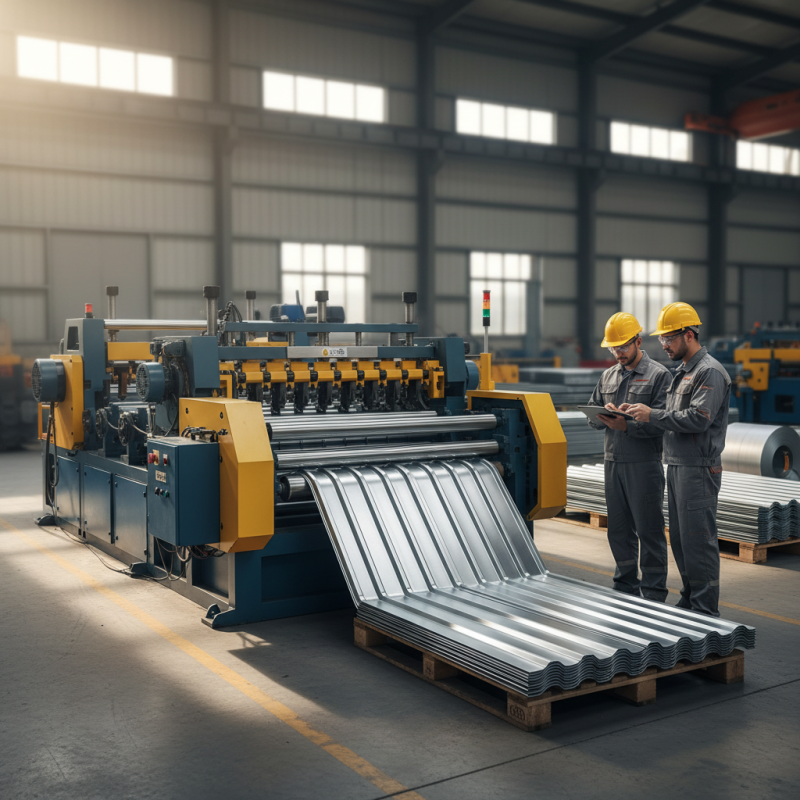
How to Choose the Best Corrugated Iron Roofing Sheet Making Machine?
Choosing the right corrugated iron roofing sheet making machine is crucial for your business. The market offers a variety of machines, each with unique features. From different production speeds to varying sheet thicknesses, the options can be overwhelming.
Your decision should consider several aspects. You must assess production capacity based on your project needs. Understanding the machine's durability is vital, as it impacts long-term investments. Price is also a significant factor. However, the cheapest option may not be the best.
Often, people rush into decisions. This haste could lead to regrets later. Take your time to evaluate all choices thoroughly. Reflecting on your specific needs will help you find the most suitable corrugated iron roofing sheet making machine for your operations.
Factors to Consider When Selecting a Corrugated Iron Roofing Machine
When choosing a corrugated iron roofing sheet making machine, several factors come into play. One crucial aspect is the machine's production capacity. You need to assess how many sheets it can produce in a day. This number should align with your business needs. Machines that offer flexibility in sheet sizes can also be beneficial.
Another important factor is the machine's energy efficiency. Higher energy consumption leads to increased operational costs. Look for machines that maximize output while minimizing power use. Additionally, consider maintenance. Some machines require frequent servicing, which can interrupt production. Research the machine's reliability and ease of maintenance before making a decision.
Tips: Inspect the machine’s build quality. A sturdy design often means better performance. Also, explore user reviews for firsthand experiences. Sometimes, personal testimonials can reveal insights that specifications don’t cover. Lastly, think long-term. It may seem tempting to choose the cheapest option, but evaluate its durability. Cheaper machines may need replacing sooner, which can cost more in the long run.
Types of Corrugated Iron Roofing Sheet Machines Available in the Market
When selecting a corrugated iron roofing sheet making machine, it's vital to understand the various types available. The market offers several options, each suiting different production needs. One common type is the roll forming machine, which efficiently produces sheets by continuously feeding metal coils. These machines can vary in speed and capacity. Reports indicate that high-speed systems can produce 20-30 meters of roofing sheets per minute, which is ideal for large-scale operations.
Another type is the hydraulic press machine, known for its heavy-duty capabilities. These machines are particularly useful for creating thicker sheets. However, they often require more maintenance and can have a steeper learning curve for operators. A significant number of operators report operational challenges, highlighting the need for adequate training and reliable support.
In addition, portable machines have gained popularity for smaller projects. They offer flexibility and ease of use but might lack in production efficiency compared to larger models. Industry studies show that while these machines can produce high-quality sheets, they often struggle with consistent thickness and durability. This inconsistency can lead to challenges in project execution, requiring careful consideration from buyers. Making an informed choice requires balancing efficiency, maintenance needs, and the intended application of the roofing sheets.
Evaluating Production Capacity and Efficiency of Roofing Machines
When evaluating the production capacity and efficiency of corrugated iron roofing sheet making machines, several factors come into play. The output rate is a primary consideration. Many machines on the market offer production rates ranging from 5 to 15 sheets per minute. This can significantly impact overall productivity. A higher output rate often reflects advanced technology and better design, but the actual efficiency can vary based on material handling and machine setup.
Energy consumption is another critical aspect to assess. Reports indicate that energy-efficient machines can reduce operational costs by up to 30%. It's advisable to look for machines that optimize energy use while maintaining high output. Consideration of the operational staff's skill is also essential. A well-trained operator can enhance machine performance.
Tip: Always refer to specs and user reviews. Not all machines perform equally under different conditions.
A machine may promise high capacity but may underperform in real-life scenarios. Regular maintenance routines impact long-term efficiency. Neglecting this can lead to unexpected downtimes. Each production setup is unique. It’s crucial to align the machine's capabilities with your specific production goals.
Tip: Purchase from suppliers who offer extensive post-sale support. It's essential for resolving any operational challenges.
Key Features to Look for in a Quality Roofing Sheet Machine
When choosing a corrugated iron roofing sheet making machine, several key features should be considered. Durability is paramount. A robust machine will withstand heavy use and challenging conditions. Look for machines made from high-quality materials that are resistant to wear. Frequent replacements can be costly. Reliability is also critical. A machine that frequently breaks down will disrupt your workflow.
Precision in production is essential. The best machines deliver accurate dimensions consistently. This ensures a perfect fit for roofing projects. Adjustability is another aspect to evaluate. The ability to customize thickness and profile can enhance versatility. Some machines may fall short in this area, limiting your options.
Energy efficiency is a notable consideration. It can significantly impact operational costs. Machines that consume less energy are more sustainable. However, this can sometimes come at the cost of power. So, evaluate the trade-offs. Lastly, user-friendliness matters. A complex interface may lead to mistakes. Training workers might be challenging if the machine is not intuitive. Balancing these features can be tricky, but it's necessary for smart investment.
Key Features to Look for in a Quality Roofing Sheet Machine
Budgeting for Your Corrugated Iron Roofing Sheet Machine Purchase
Budgeting for a corrugated iron roofing sheet machine can be challenging. Start by determining your production needs. Consider the volume of sheets you expect to produce daily. This will influence the type of machine you need, as larger capacities often come with a higher price tag.
Next, factor in operational costs. The machine's energy consumption should not be overlooked. Energy-efficient machines may have higher upfront costs but can save money in the long run. Additionally, think about maintenance expenses. Some machines require more frequent servicing, which can affect your budget significantly.
Don't forget about the space for installation. The size of the machine will dictate how much area you need. If your workshop is small, a compact model might be necessary. Lastly, set aside a portion of your budget for unforeseen expenses. Unexpected costs can arise, and it’s crucial to be prepared for them.