2026 How to Choose the Best Wooden Croquet Ball for Fun?
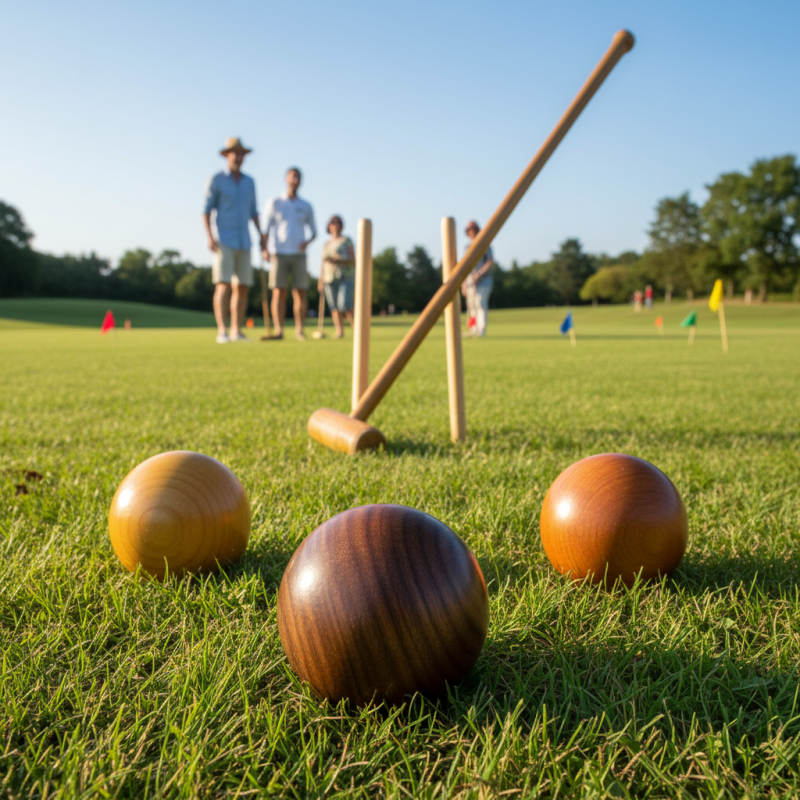
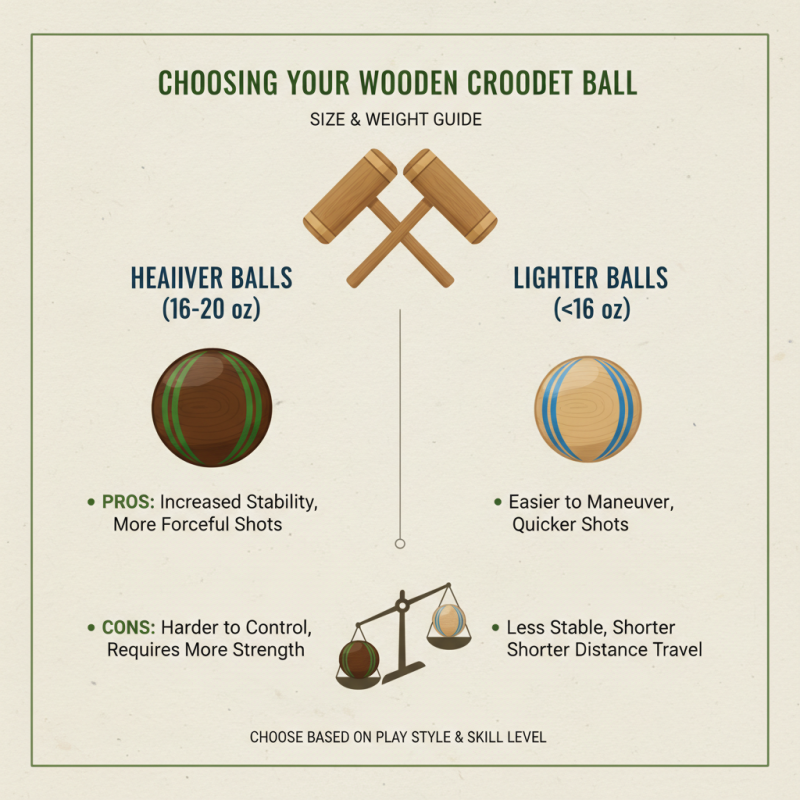
Choosing the right wooden croquet ball can enhance your game experience. When selecting a wooden croquet ball, consider the weight and size. A heavier ball rolls further, while a lighter one is easier to control.
Many players overlook the type of wood used. Different woods offer various durability and feel. For example, walnut provides a rich look and sturdy performance, while poplar is lighter but less durable. Knowing this can make a significant difference during play.
It's essential to reflect on your playing style. Do you prefer a fast-paced game, or a leisurely one? Your choice should match your comfort level and skill. Take your time with this decision. The perfect wooden croquet ball can transform an ordinary day into an unforgettable experience.
Factors to Consider When Selecting a Wooden Croquet Ball
When selecting a wooden croquet ball, consider several key factors to enhance your gameplay experience.
Weight is crucial. A standard croquet ball weighs around 16 ounces. Heavier balls offer stability. However, lighter balls can allow for easier maneuvering. Choosing the right weight impacts how you control shots on the lawn.
Material quality also matters. Solid hardwood balls are preferred for their durability. They resist dents and wear over time. Reports show that quality wood balls last longer, even with regular use.
Look for balls with a smooth finish, free from cracks or imperfections. Every detail can affect performance. Small inconsistencies might seem trivial but can alter your game.
The diameter is another factor. Standard balls usually measure about 8.5 inches. A ball that's too large may be difficult to strike accurately. Conversely, smaller balls can be challenging for beginners to manage. Understanding how each size influences your playing style will lead to better choices.
Always remember: the feel of the ball in your hands matters significantly during play.
Types of Wood Used in Crafting Croquet Balls
When choosing a wooden croquet ball, the type of wood matters significantly. Common choices include maple, beech, and birch. Each type has unique characteristics that affect the ball's performance. Maple offers durability and a hard surface. It can withstand rough play but may feel heavier. Beech, on the other hand, provides a good balance between weight and speed. Its stiffness ensures a solid hit.
Birch is another popular option. It has a lighter feel, making it easier to handle. However, it may not be as durable as maple or beech. Players often find birch suitable for casual games. Wood selection influences not just the feel, but also the play style. It's crucial to think about how different woods fit your game.
Some imperfections arise when using wood. Natural variations can lead to inconsistencies in weight and shape. Not every ball produced is perfect. This can lead to frustrating moments on the court. However, these challenges can teach valuable lessons about patience and adaptability. Embracing the unique traits of each type of wood can enhance your enjoyment of the game.
Evaluating Durability and Weather Resistance in Wooden Balls
When choosing a wooden croquet ball, durability and weather resistance are essential factors to consider. Weather can change quickly. A ball that withstands rain, sun, or humidity will last longer. Look for wood types known for their resilience. Hardwoods often fare better against scratches and wear.
Not all wooden balls are created equal. Some may look beautiful but lack strength. Over time, softer woods can splinter or crack. A well-constructed croquet ball should feel solid in your hand. Check for consistent weight and smooth finish. If you see rough spots, think twice.
Keep in mind the local climate. If you live in a humid region, choose a ball with a finish that can handle moisture. Finishes add a layer of protection but may wear off. Regular maintenance might be needed. Consider how often you play outdoors. Reflect on your routine. Will your ball be stored properly? These aspects can greatly impact its longevity.
Comparing Brands and Price Points for Quality Croquet Balls
When choosing the best wooden croquet ball, it's crucial to consider various brands and price points. Some manufacturers focus on durability, while others emphasize playability. A high-quality ball should feel balanced and roll smoothly on the grass. Examine the material used. Solid hardwoods tend to last longer than softer woods. Look for craftsmanship, too. A well-painted surface can enhance the ball's aesthetics.
Pricing can vary widely. Affordable options may not offer the best performance or longevity. Higher-priced balls often provide superior quality and a better playing experience. However, expensive is not always synonymous with quality. A lesser-known brand might surprise you with its performance at a lower cost.
When testing different balls, pay attention to how they handle in various conditions. Some balls perform well on dry grass, while others might struggle after a rain. It’s essential to think about your playing environment. A ball that fits well with your setting can change your game dynamics. Always reflect on your choices and consider how they impact your enjoyment of the game.