2026 Best Prefab Container House Designs for Modern Living?
The concept of the Prefab Container House is gaining momentum in modern architecture. As urban spaces become more crowded, innovative housing solutions are critical. A recent report from the Modular Building Institute notes that the prefab construction market is expected to grow by 70% by 2026. Experts in the field, like architect Anna Chen, say, "Prefab Container Houses provide sustainable options that align with today’s eco-conscious living."
These designs offer flexibility, affordability, and efficiency. With the rise of remote work and small living spaces, many individuals are seeking innovative housing types. The Prefab Container House trend emphasizes minimalism and environmental sustainability. However, challenges remain. Not all prefab units meet local building codes or personal needs. The journey toward optimal designs is still ongoing.
Incorporating green technology remains a work in progress. Each container house is unique, but select models often lack insulation or energy efficiency. Designers must consider climate adaptation and customer preferences. By addressing these issues, the industry can shape a future where Prefab Container Houses are not just a trend but a staple of modern living.
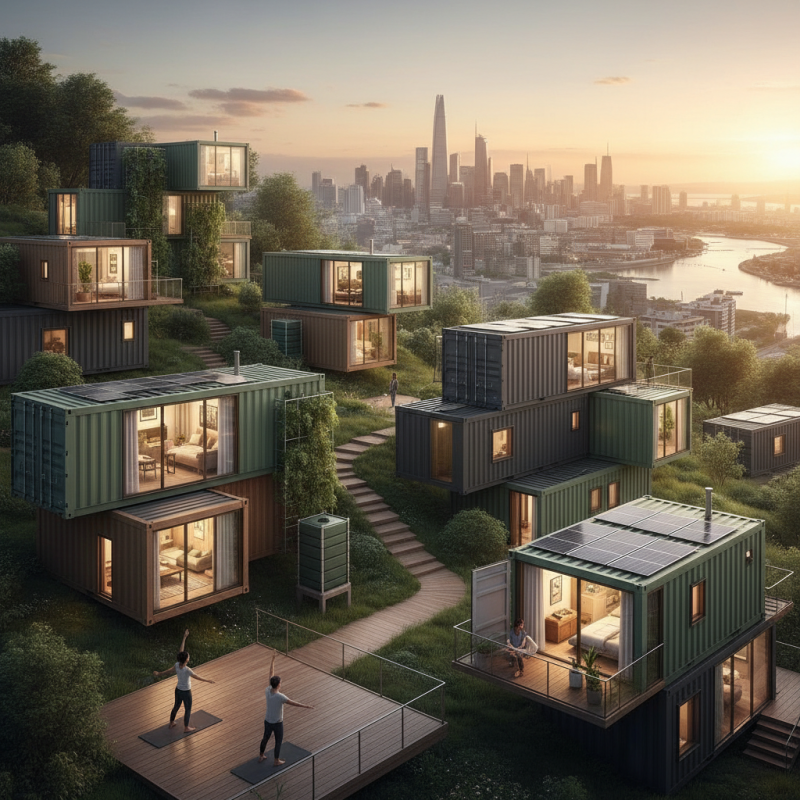
2026 Trends in Prefab Container House Designs for Urban Living
As urban living evolves, prefab container houses are an ideal solution. They offer flexibility and creativity. In 2026, these designs will reflect modern lifestyles with smart spaces and sustainable materials. Think about a compact kitchen featuring eco-friendly appliances. This minimizes waste and maximizes efficiency.
Design trends focus on multifunctionality. A living room can also serve as a workspace. Bright colors and natural light play important roles in these designs. Large windows create an inviting atmosphere, while balconies provide outdoor space. However, not every design meets the needs of all urban dwellers.
Some prefab houses may lack sound insulation. This can be a concern in noisy urban settings. Many designs may overlook privacy. Options for modular layouts are essential for customization. This might not always align with personal tastes. Ultimately, considering aesthetics and functionality is crucial for a successful urban living solution.
2026 Trends in Prefab Container House Designs
Sustainability in Container Homes: Materials and Eco-friendly Practices
Sustainability has become a key focus in contemporary architecture. Container homes are leading this charge. They offer a unique solution for sustainable living. According to a report by the Global Alliance for Buildings and Construction, the building sector accounts for nearly 39% of all global carbon emissions. This statistic highlights the urgent need for eco-friendly alternatives like container homes.
Using recycled shipping containers is a practical choice. They divert tons of steel from landfills. However, not all containers are created equal. Some may have harmful residue from previous use. Builders must ensure proper inspection and clear any hazardous materials. Additionally, while insulation and energy-efficient windows improve sustainability, they also increase initial costs. This creates a balance between affordability and eco-friendliness.
Natural materials are increasingly popular in container design. Wood and bamboo are sustainable options that add warmth. Still, sourcing these materials can come with its own challenges. Ethical sourcing is vital to ensure minimal environmental impact. A study by McKinsey highlights that over 60% of constructions globally do not meet sustainability standards. This underscores a crucial opportunity for improvement within container home construction. Balancing cost and sustainability remains an ongoing struggle for innovators in this space.
Cost Analysis: Comparing Prefab Container Houses to Traditional Homes
Prefab container houses are gaining attention for their cost-effectiveness. The Housing Industry Association (HIA) reports that traditional homes can cost between $200 and $400 per square foot. In contrast, prefab container homes often range from $100 to $300 per square foot. This substantial difference encourages many to explore alternative housing options.
However, it’s essential to consider potential challenges. While buying a container home may seem cheaper, expenses can add up. Customizations, insulation, and utility connections often lead to unanticipated costs. A recent study by the International Organization for Standardization indicates that 25% of people face budgeting issues in these projects. Certain design flaws may arise from inadequate planning, which can increase costs in the long run.
Moreover, zoning regulations for container houses may vary significantly by location. Some areas impose strict rules. Navigating these regulations can delay the construction process, potentially increasing overall expenses. Understanding these factors is crucial when comparing prefab homes to traditional options.
Innovative Design Features of 2026’s Best Container Houses
In 2026, prefab container houses are gaining attention for their innovative designs. These homes often incorporate modular elements that allow for flexible layouts. Large windows and open spaces create a sense of spaciousness. Bright colors on exteriors provide aesthetic appeal and modern charm. Some designs feature green roofs, promoting sustainability.
Inside, multifunctional furniture is a popular choice. Foldable tables and reversible sofas can transform a room’s purpose. However, storage can be a challenge in smaller units. A lack of closet space may necessitate creative solutions. This limitation pushes designers to rethink organization and accessibility.
Moreover, energy-efficient appliances are becoming standard. Solar panels on roofs help reduce electricity costs. Yet, the installation can be complex and sometimes costly. Balancing appearance, function, and sustainability continues to be a work in progress. Each design iteration aims to refine and adapt to modern living demands.
Impact of Prefab Container Houses on Affordable Housing Solutions
Prefab container houses are gaining traction as a solution to the affordable housing crisis. According to a report by the World Economic Forum, millions lack access to affordable housing worldwide. Traditional building methods are often too slow and costly. In contrast, prefab container homes can be constructed in weeks. They use repurposed shipping containers, reducing waste and providing an innovative way to meet housing demands.
The versatility of container houses is impressive. They can be stacked or arranged in various configurations. This adaptability allows them to fit diverse urban landscapes. A study from the Urban Institute highlights that modular designs can cut construction costs by up to 20%. However, some challenges remain. Local regulations can hinder their development. The perception of container houses as temporary structures affects their acceptance.
Materials and insulation used in prefab homes can vary greatly. Not all designs withstand extreme weather conditions. This could pose long-term challenges for durability. It's essential that developers address these issues proactively. Homebuyers also need education about this option. The potential for cost savings and sustainability must be balanced with quality and longevity.
2026 Best Prefab Container House Designs for Modern Living - Impact of Prefab Container Houses on Affordable Housing Solutions
| Design Name | Size (sq ft) | Cost ($) | Bedrooms | Key Features |
| Eco-Living Haven | 500 | 45,000 | 1 | Sustainable materials, solar panels, garden roof |
| Urban Chic Container | 640 | 60,000 | 2 | Modern design, open layout, natural light |
| Minimalist Retreat | 400 | 40,000 | 1 | Compact design, functional spaces, eco-friendly |
| Family Container Home | 800 | 75,000 | 3 | Three bedrooms, yard space, energy-efficient |
| Ocean View Container Villa | 1200 | 150,000 | 2 | Balcony, panoramic windows, luxury finishes |