2026 Top Home Textile Fabric Trends What to Expect?
As we approach 2026, the home textile fabric industry is poised for remarkable changes. According to a recent report by Grand View Research, the global home textile market is expected to reach $151.63 billion by 2028, growing at a CAGR of 4.3%. This growth is driven by a rising preference for sustainable and innovative materials among consumers. With eco-consciousness on the rise, manufacturers are focusing on organic fibers and recycled materials, reshaping the landscape of home textile fabric.
Emerging trends indicate a shift towards bold patterns and textures. Designers are experimenting with vibrant hues and tactile finishes, which enhance the sensory experience of living spaces. For instance, multi-dimensional weaves and quilting techniques are gaining traction for their visual appeal. However, it is essential to reflect on the balance between innovation and practicality; some trends may not resonate with all consumers. Market research from Textile World reveals that while 70% of consumers are attracted to unique designs, only 35% prioritize them when making purchases.
In this evolving market, understanding consumer preferences is critical. home textile fabric must cater to both aesthetics and functionality. As we anticipate 2026, the industry's direction will largely depend on consumer behaviors and the ability of manufacturers to adapt to these changes.
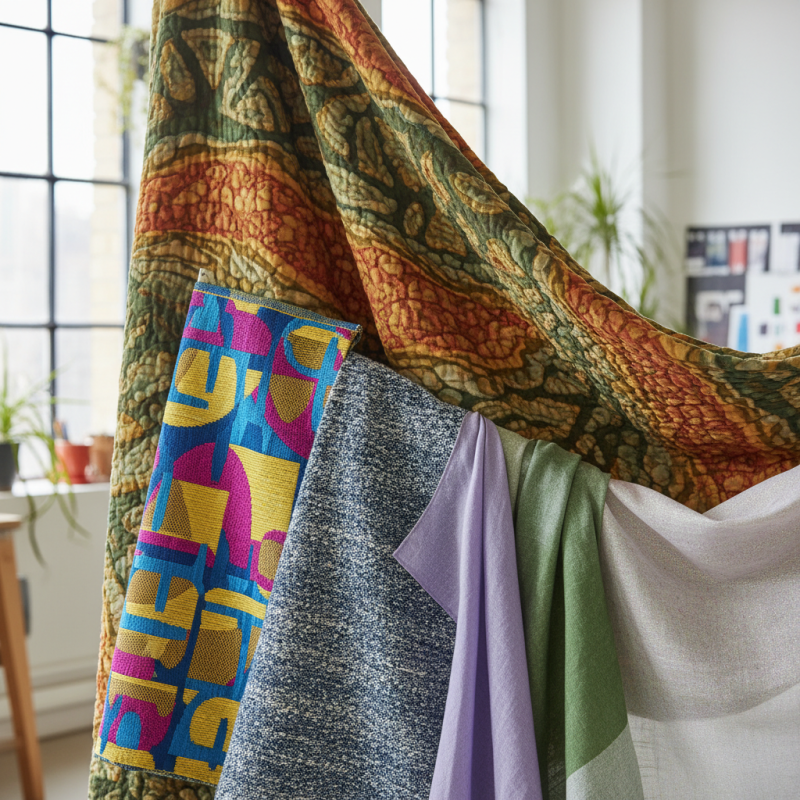
Emerging Color Palettes in Home Textile Fabrics for 2026
As we look ahead to 2026, emerging color palettes in home textile fabrics will take center stage. Warm earth tones are making a noteworthy comeback. Think terracotta, muted greens, and soft browns. These colors connect with a sense of nature and tranquility. Designers are pairing these hues with accents of warmer shades, like burnt orange and sunflower yellow. This combination brings warmth and comfort to living spaces.
On the flip side, cool tones will also have their moment. Shades of deep teal and crisp navy add depth to textiles. They evoke feelings of calm and sophistication. Mixing these colors with lighter shades, like ivory or soft gray, creates a modern yet cozy atmosphere. It's intriguing to see how these palettes can shift the mood of a room. Both warm and cool tones invite personal reflection, allowing homeowners to express their individuality through fabric choices.
Textures will play a vital role alongside these color trends. Velvets and weaves in natural fibers will deepen the engagement with the chosen colors. The tactile experience can sometimes be overlooked. Yet, it's essential for creating a fulfilling environment. As we navigate these trends, it's clear that a balance between comfort and creativity will define home textiles in 2026.
Innovative Textures and Patterns Shaping Home Textile Trends
Innovative textures and patterns are redefining home textile trends in 2026. Expect to see bold geometric prints and soft, natural fabrics. These styles enhance both comfort and aesthetic appeal in living spaces. Think of a cozy blanket featuring a vibrant chevron pattern. It captures attention while being functional.
Maximalism is gaining popularity, bringing layered textures into play. People are no longer shying away from mixing patterns. Consider pairing floral curtains with a striped sofa. It may feel overwhelming, but this clash of styles can create a unique identity for your home. Remember, balance is key here.
Tips: Experiment with color combinations, but stay true to your style. If you love earthy tones, incorporate them through textured throws or cushions. Embrace imperfections in fabric; they often tell a story. A vintage piece with wear tells you about its journey, adding character to any room.
Sustainable Fabrics: The Future of Eco-Friendly Home Textiles
Sustainable fabrics are redefining the home textile landscape. In 2026, eco-friendly materials are more than just a trend; they’re a necessity. Natural fibers like organic cotton and linen dominate the scene. These materials are biodegradable and have a lower impact on the planet. As consumers become more conscious, the demand for durable and sustainable options will rise.
Tip: When choosing home textiles, look for certifications like GOTS or OEKO-TEX. These ensure the fabric meets high environmental standards.
Recycling and upcycling are key components of this movement. Homeowners are increasingly opting for repurposed fabrics. This practice reduces waste and adds a unique touch to decor. However, quality may vary, so it’s essential to inspect items before purchasing.
Tip: Experiment with mixing old fabrics. Create cushion covers or curtains for a personalized look. It reflects your style while supporting sustainability.
Sustainable choices can be overwhelming. Most products still rely on traditional methods. Recognize that progress takes time, and every small choice counts. Embracing sustainable textiles is a journey, not just a shopping trip.
Smart Textiles: Integration of Technology in Home Fabrics
The integration of technology in home textiles is truly fascinating. Smart textiles are paving the way for innovative living spaces. According to a recent report from Allied Market Research, the global smart textiles market is expected to reach $4.7 billion by 2026. This growth signals an increasing demand for fabrics that offer more than just aesthetics.
Imagine a fabric that adjusts to temperature changes, enhancing comfort. Such textiles can significantly improve energy efficiency. Moreover, features like color changes based on light or personal preferences are becoming more common. In fact, a study by Research and Markets suggests that over 30% of consumers are interested in purchasing these tech-integrated textiles for their homes. Yet, there is a consideration to keep in mind. The complexity of the technology can complicate the cleaning process, leading to potential maintenance challenges.
As smart textiles evolve, user-friendliness is crucial. Many products remain cumbersome for everyday use. The balance between functionality and simplicity is essential. Designers are challenged to create textiles that are not only innovative but also practical for consumers. This industry shift invites reflection on how we can harness technology in the most effective ways for home environments.
Cultural Influences: Global Design Trends in Home Textiles for 2026
Cultural influences play a key role in shaping home textile trends for 2026. Designers are looking towards global aesthetics. Textiles reflecting diverse cultures can create unique home experiences. Patterns inspired by traditional weavings will gain popularity. Expect to see vibrant colors and intricate details. These elements will bring stories into our living spaces.
Sustainability remains a prominent theme. Many consumers prefer materials that are eco-friendly. This trend invites the use of organic fabrics. More textile producers are embracing natural dyes, which can help reduce the carbon footprint. There's pressure to reflect cultural respect in sourcing materials. This requires a delicate balance between aesthetic appeal and ethical responsibility.
Additionally, minimalism intersects with cultural elements. Expect to see designs that mix modern simplicity with rich heritage. Bold prints may be softened by neutral backgrounds. This combination can resonate with a broader audience. However, it raises questions about cultural appropriation. Designers must tread carefully, ensuring authenticity and respect in their creations.